
Nervous System Focused Chiropractic
Nervous System Focused Chiropractic
Free Guide
How the autonomic nervous system layer underneath scleroderma affects how you feel. What complementary, gentle chiropractic care looks like alongside your rheumatology team
If you're living with scleroderma, we don't need to explain what the hard days feel like. Skin that tightens in places it never used to. Fingers that go white and numb at the slightest cold. Reflux that won't quit. Fatigue that arrives without warning and lingers without permission. And a road to diagnosis that often took years longer than it should have.
A quick look at what is inside your guide.
Raynaud's Phenomenon
Fingers that turn white, then blue, then red with cold or stress. Raynaud's is the visible expression of sympathetic overdrive, the same autonomic pattern that drives so much of how scleroderma feels.
Persistent Fatigue
The fatigue of scleroderma is often autonomic in origin. The nervous system is stuck in a chronic stress response, and it doesn't fully shift into the parasympathetic recovery state that rest requires.
GI Disruption and Reflux
The vagus nerve runs the digestive tract. When vagal tone is suppressed, motility slows, reflux worsens, and the gut becomes part of the overall dysautonomic picture that scleroderma patients describe.
Sleep That Doesn't Restore
Patients frequently report sleep that never feels restorative. Autonomic dysregulation blocks the parasympathetic shift required for deep, restful sleep, regardless of how many hours you spend in bed.
Heart Rate and Blood Pressure Swings
Palpitations, postural symptoms, and unexpected swings in heart rate and blood pressure are documented in systemic sclerosis. They reflect direct autonomic involvement, not stress or anxiety.
"We work alongside your rheumatologist and the rest of your scleroderma care team, never in place of them. We do not claim to address scleroderma, the autoimmune process, or organ involvement. Our focus is the autonomic nervous system layer that scleroderma so often disrupts, supporting your body's capacity to function and recover in conjunction with your primary care."
Here's something that gets missed in many scleroderma conversations: the autonomic nervous system is deeply involved in how scleroderma feels day to day. The vagus nerve, which governs your inflammatory response, your digestion, your heart rate, and your ability to shift into recovery mode, takes a documented hit in systemic sclerosis. The result is a nervous system stuck in a chronic stress state, and that compounds nearly every symptom you're already dealing with.
Fill in your info below and we'll send the guide straight to your inbox. Takes about 20 seconds.
No spam. Unsubscribe anytime.
About Us
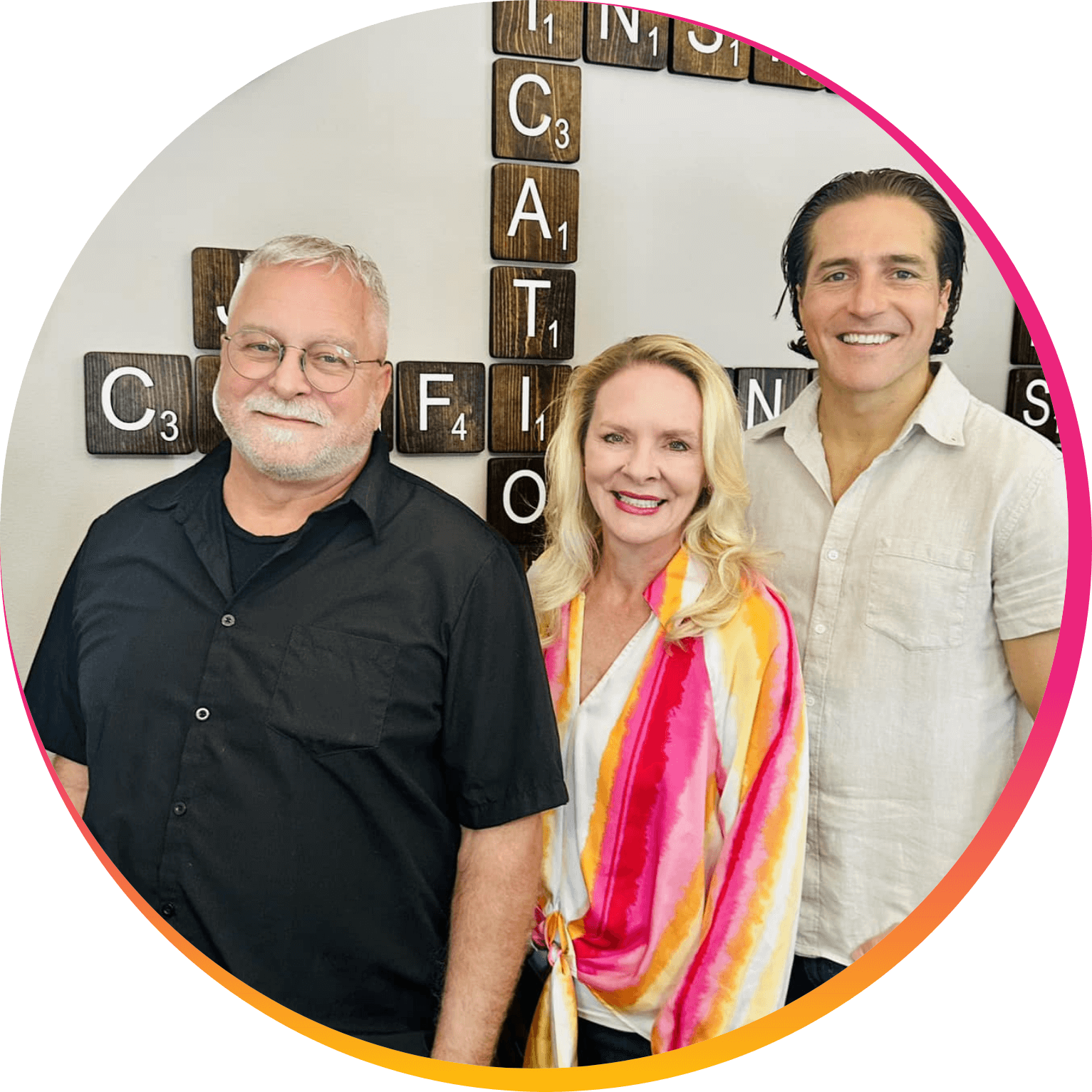
Dr. Saylor, Dr. Zach, and Dr. John provide gentle, nervous system-focused chiropractic care for the whole family. They work with people navigating stress, tension, sleep challenges, developmental concerns, pregnancy, pain, and the daily demands that can keep the nervous system stuck in overdrive.
Their approach uses low-force techniques that communicate directly with the nervous system. No cracking, twisting, or popping. Just gentle, specific input that helps the body's own regulatory systems come back online.