
Nervous System Focused Chiropractic
Nervous System Focused Chiropractic
Free Guide
How gentle, low-force chiropractic care supports balance, mobility, and quality of life for older adults
One of the most common things we hear from older adults is: "I figured I was too old for chiropractic." We understand where that comes from. Most people picture cracking, twisting, and force, and if you have osteoporosis, arthritis, or joint replacements, that image is enough to keep you away.
A quick look at what is inside your guide.
Balance Problems and Fall Risk
Falls are the leading cause of injury in adults 65 and older. Your nervous system governs balance and proprioception, and when there's interference in that system, reaction time slows and balance deteriorates. Reducing that interference supports fall prevention.
Stiffness That Gets Worse Every Year
Progressive stiffness with age often reflects accumulating nervous system interference more than structural degeneration alone. When nervous system function improves, many older adults notice meaningful improvement in mobility that wasn't explained by their arthritis diagnosis.
Reduced Range of Motion
Decreasing range of motion limits the activities you love: driving, gardening, playing with grandchildren. The nervous system's ability to coordinate movement is directly related to the range of motion available.
Chronic Joint Pain
Many older adults have been told their joint pain is simply arthritis they have to live with. The nervous system plays a significant role in how pain signals are processed and amplified, and supporting nervous system function often reduces the experience of chronic joint pain.
Slower Recovery from Activity
When the nervous system's ability to shift into recovery mode is compromised, the muscle soreness and fatigue after physical activity takes longer to resolve. Improving autonomic balance supports faster, more complete recovery.
"TTC and KST use no high-velocity manipulation, no rotation, and no cracking. The techniques are inherently adapted for older adults and those with bone density or joint concerns. We adjust you in whatever position is most comfortable for your body."
What we do at Van Every looks nothing like that. We use TTC and KST, both inherently gentle, low-force approaches. Light touch. No rotation. No high-velocity manipulation of any kind. You can be adjusted in whatever position is most comfortable for you. And this approach is completely safe alongside osteoporosis, arthritis, and joint replacements.
Fill in your info below and we'll send the guide straight to your inbox. Takes about 20 seconds.
No spam. Unsubscribe anytime.
About Us
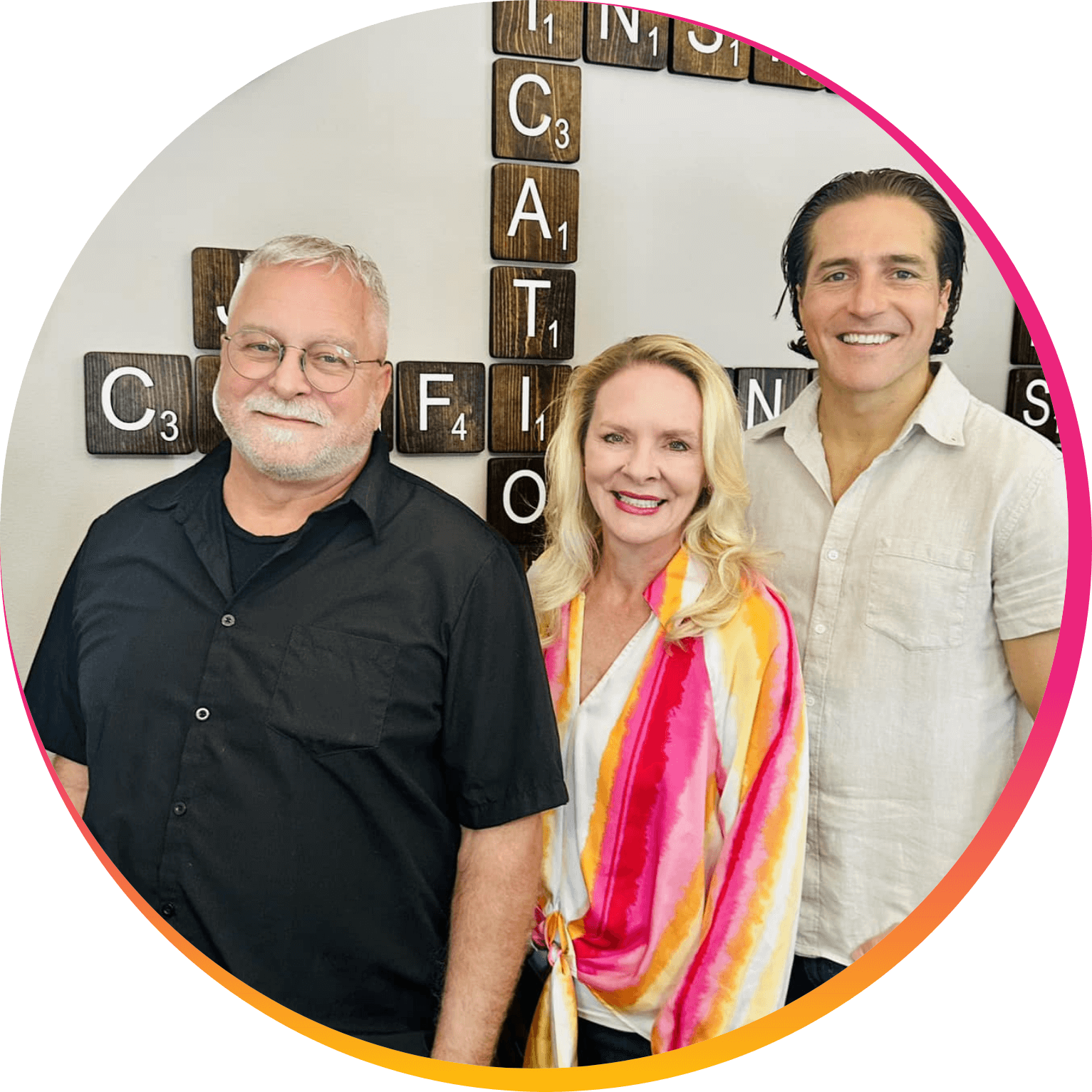
Dr. Saylor, Dr. Zach, and Dr. John provide gentle, nervous system-focused chiropractic care for the whole family. They work with people navigating stress, tension, sleep challenges, developmental concerns, pregnancy, pain, and the daily demands that can keep the nervous system stuck in overdrive.
Their approach uses low-force techniques that communicate directly with the nervous system. No cracking, twisting, or popping. Just gentle, specific input that helps the body's own regulatory systems come back online.